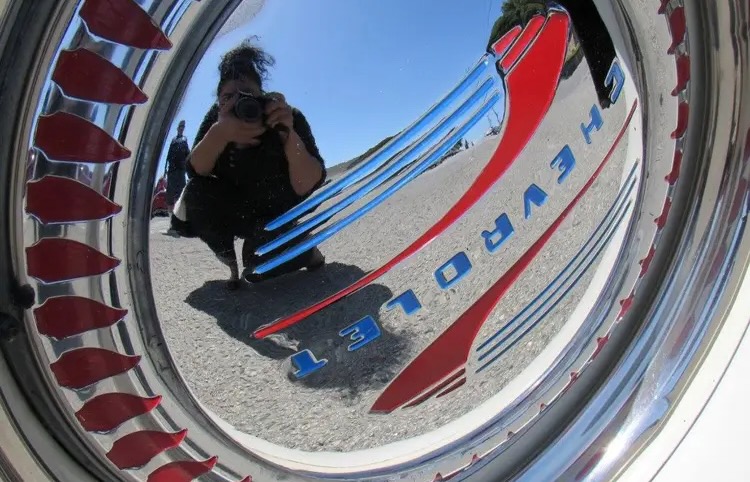
An exploration of the inner source of energy, warmth, and light, ‘Intangible Sun’ is a community-centered art exhibit and engagement event that explores Chicano culture in the Arizona-Sonora borderlands.
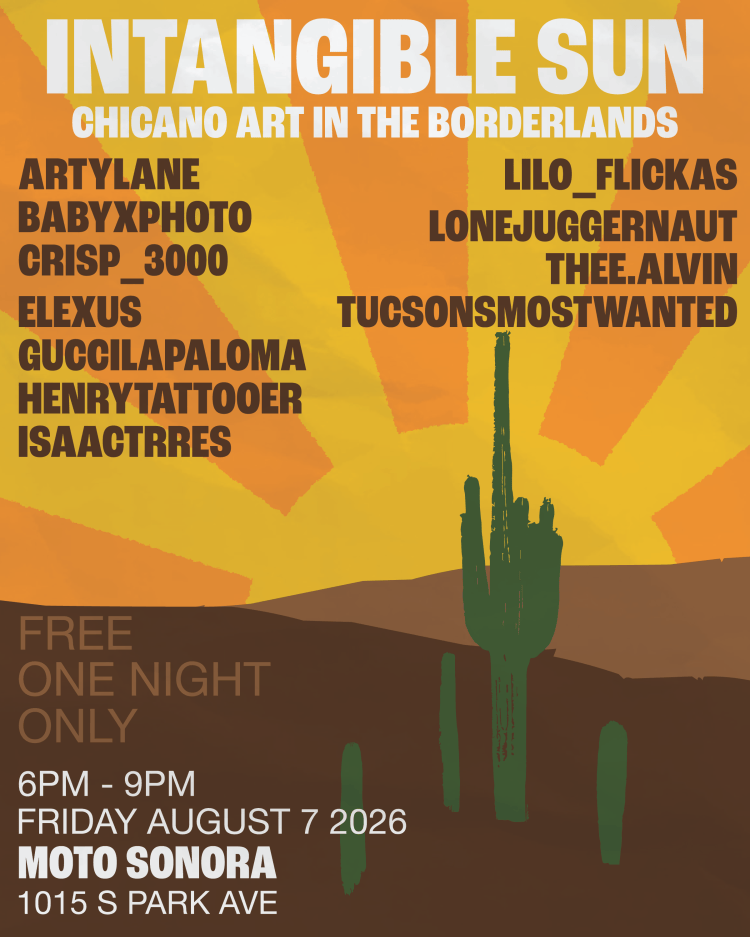
“Intangible Sun” is a community-centered art exhibit and engagement event that explores Chicano culture in the Arizona-Sonora borderlands through the lens of borderlands theory. The project’s primary goals are: (1) to amplify the lived experiences, artistic expressions, and cultural knowledge of Chicanos in borderlands communities; (2) to create a collaborative space where artists, storytellers, and residents can share narratives that challenge dominant representations of Chicanos; and (3) to foster dialogue and reflection on identity, hybridity, migration, and belonging of and by Chicano identity.
Grounded in borderlands theory, particularly the understanding of the border as a dynamic, lived space rather than a fixed line, this project views the region as a site of cultural convergence, resilience, and creativity. The exhibit will emphasize interdisciplinary approaches to understanding border life, highlighting the intersections of history, politics, and everyday lived experience.
Outcomes
As part of the efforts to form a more inclusive, accurate, and just portrayal of Chicano culture in the bordlerlands, the exhibit included an interactive storytelling video display in collaboration with @RokeroFoo, a Tucson-based Chicano streetwear brand and community builder, and Evan Long Martin-Casler who studies Chicanismo.

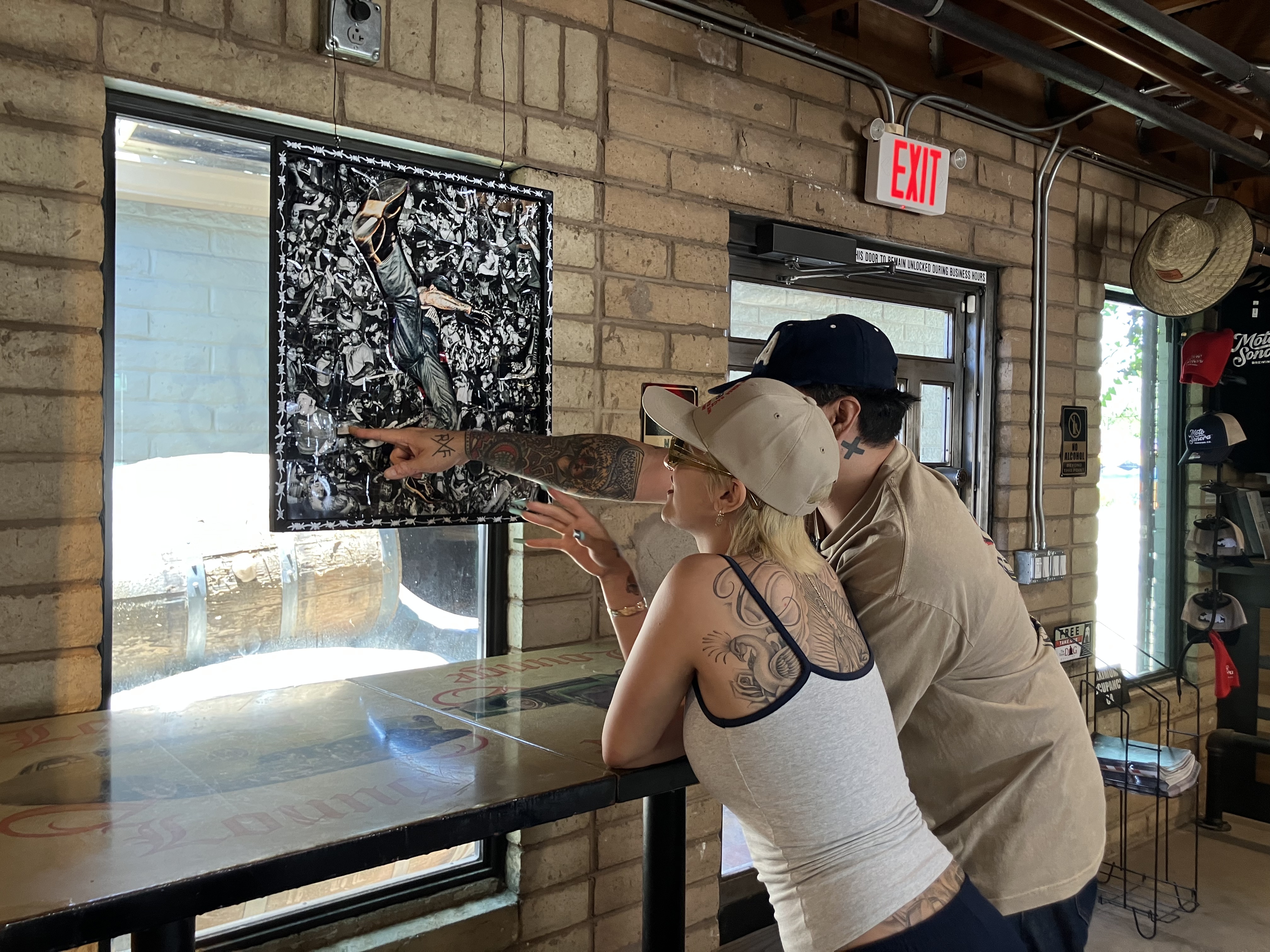
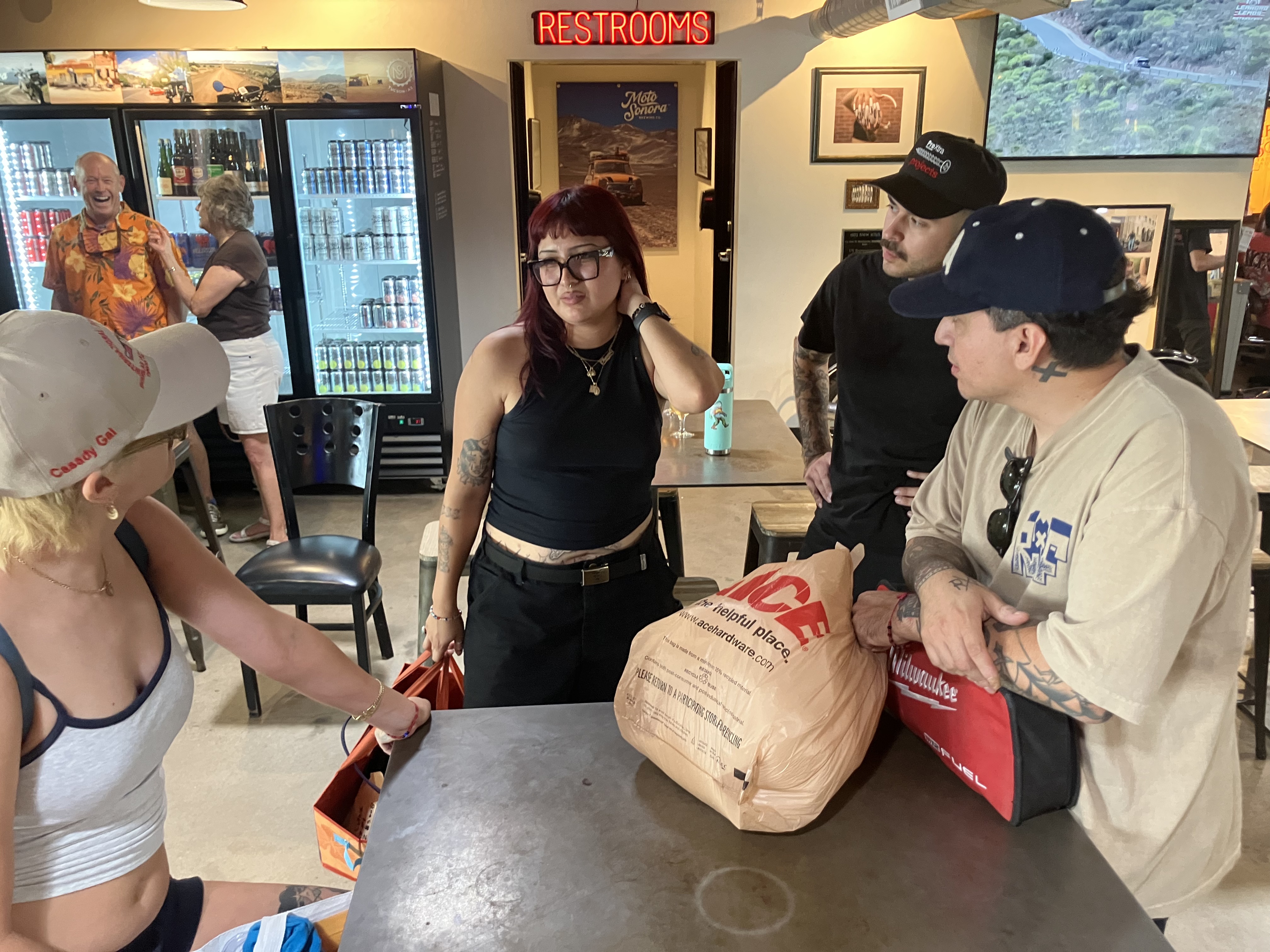
The event was held at MotoSonora August 7, 2026 as a one-night gathering to highlight Chicano art and activity to counter these narratives by centering stories of creativity, resistance, and belonging. By incorporating borderlands theory, the project frames the border as a place where identities are negotiated and reimagined. Art included mixed media, video, and low rider cars and included an audio/visual documentary work in progress highlighting the Chicano hardcore scene, and often under-recognized demographic in both the hardcore and Chicano communities.
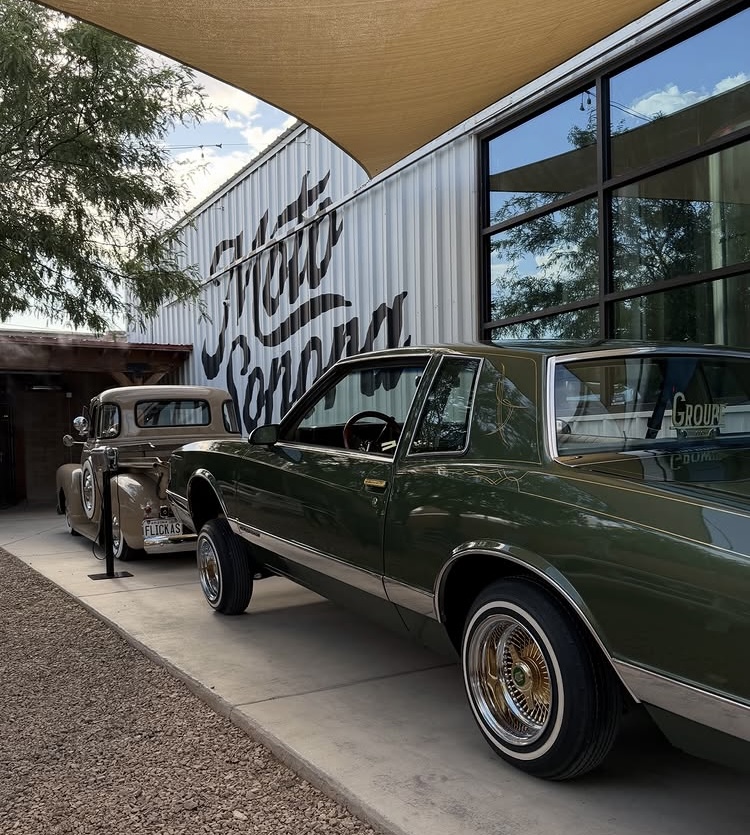
MotoSonora owners and Brothers, Jeff and Jeremy DeConcini, describe MotoSonora as “a tribute to the golden age of cross country road racing and to reflect the adventurous beginnings of our brewery in Botswana” (motosonora.com, 2026) citing their admiration for cars, quality craft beers, and honoring their Italian heritage. Intangible Sun was the first Chicano and first low rider event held at MotoSonora since its founding in 2010. With its public automobile-themed craft brewery, this was an opportunity to invite the broader public to examine and enjoy a parallel automobile experience with three uniquely designed low riders:
- A 1963 Impala AKA a ’63 rag, freshly painted making its first public appearance at the Intangible Sun exhibit, this car is owned by Johnathan Borquez, locla Chicano business owner of Unida Clothing Co. @unidaclothing
- A 1987 Monte Carlo “MalVerde” owned by Henry Cortez, local Chicano tattoo artist @henrytattooer.
- A 1950’s era Chevy truck owned by Orlando Chavez, local Chicano photographer, student at the University of Arizona, and member of the Old Memories car club @omtucsonfamilia
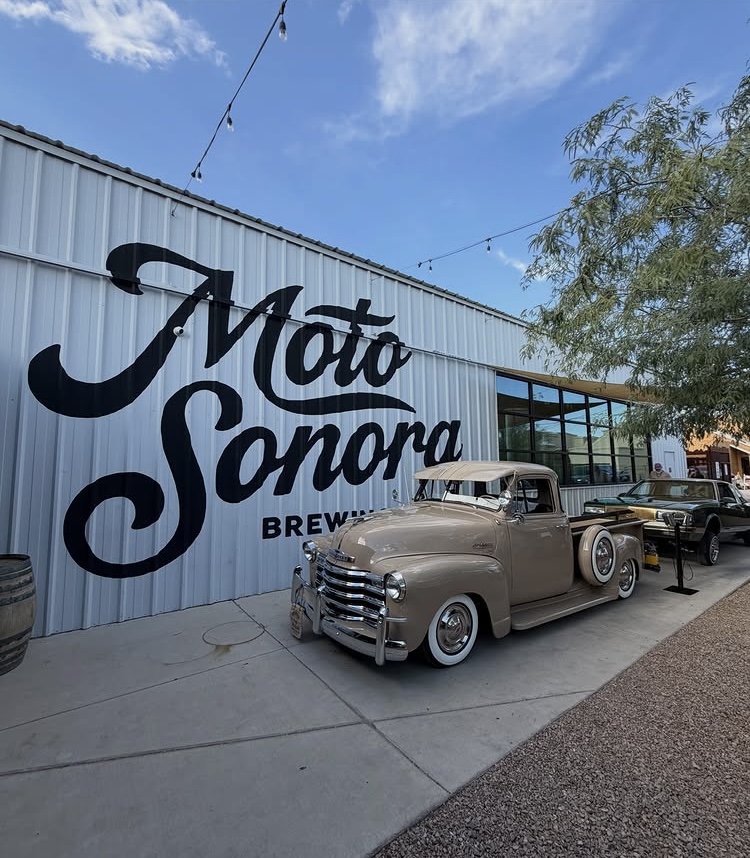
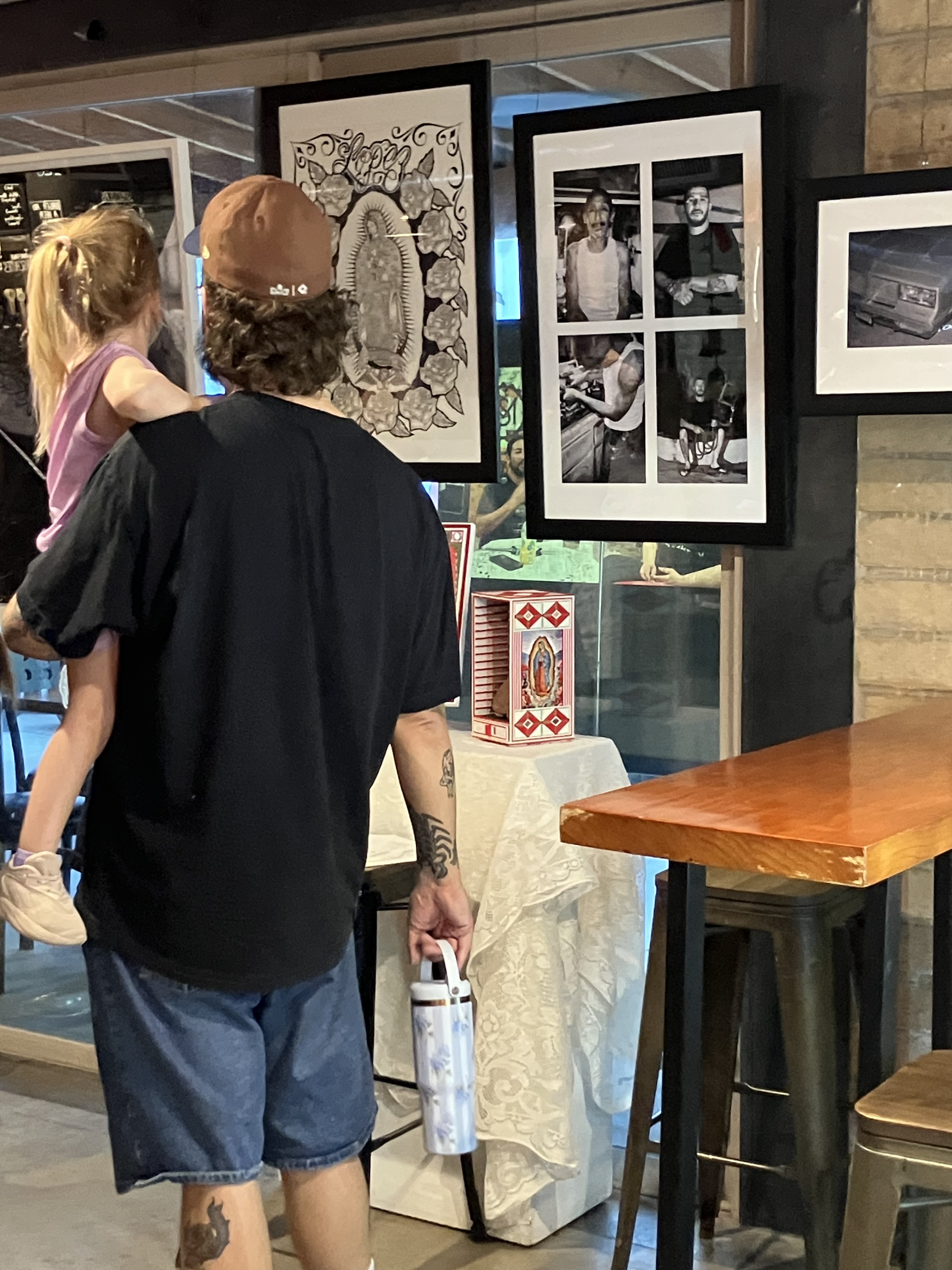
While this is a first, it certainly does not have to be the last as more museums, venues, and community leaders begin to recognize Chicano culture and arts. Lowrider cars, without whom the art exhibit would be incomplete, are an art form of their own, requiring skills and craft in automotive technology, color and design, and functional form. The history of Lowrider art is rooted in Chicano culture and has grown in recognition over the last decade as more museums, archives, and organizations begin to give time and recognition to the culture. Museums from small local venues like the Tempe History Museums and the IDEA Museum in Arizona, to larger museums such as The Peterson in Los Angeles, and the Smithsonian have all included lowrider exhibits in recent years. Intangible Sun was an opportunity for local artists to take part in showcasing their work in a public place for Chicano culture to be seen, heard, and celebrated. With over 100 attendees, including MotoSonora regulars and those who were there for the art, the event amplified the lived experiences, artistic expressions, and cultural knowledge of Chicanos in borderlands communities.
This project was funded by Confluencias: Voices and Visions of the Arizona-Sonora Border, a project of the Confluencenter for Creative Inquiry